Find the Best POS Systems for Businesses
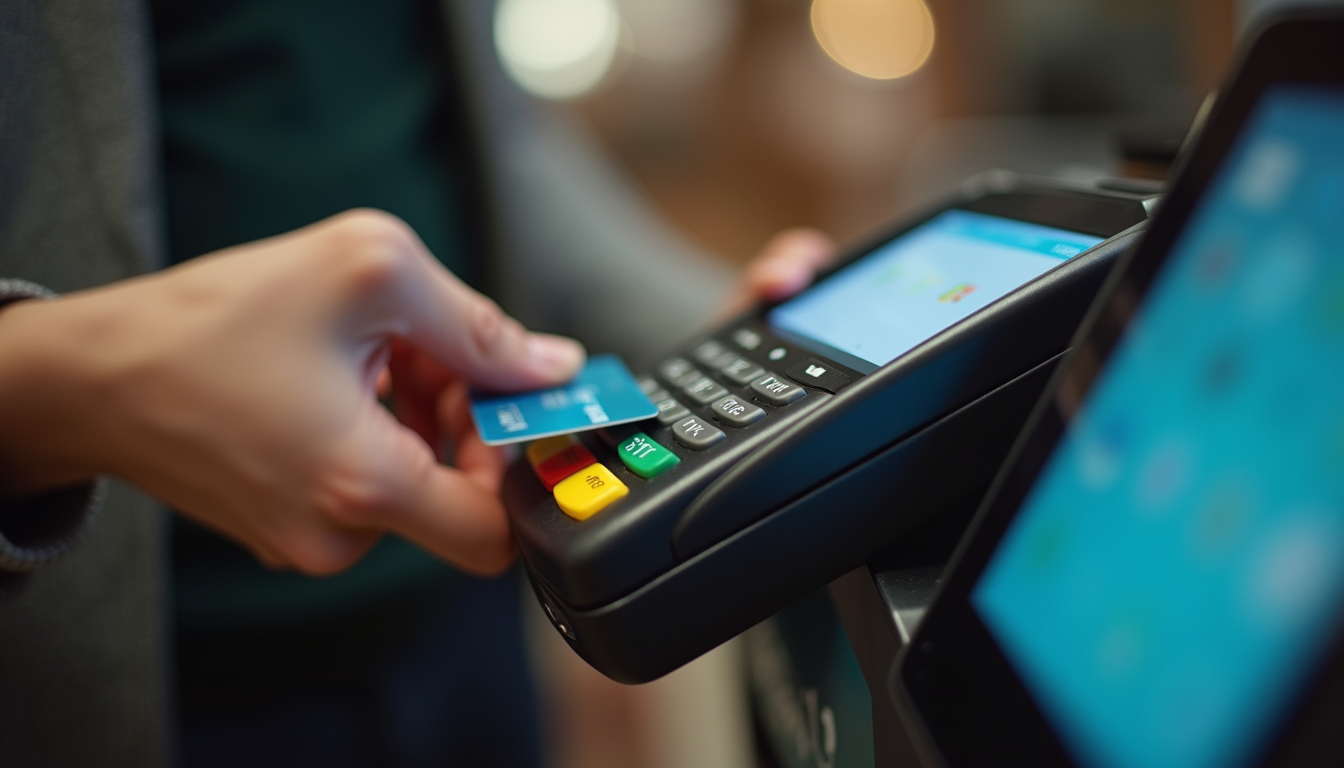
Running a small business means juggling many tasks. One of the most important is handling sales smoothly. That’s where a good POS system comes in. It helps you process payments, track inventory, and manage customers all in one place. But with so many options out there, how do you find the best one for your business? I’m here to guide you through it.
Why POS Systems for Businesses Matter
Choosing the right POS system can make a big difference. It’s not just about ringing up sales. A good system helps you save time, reduce errors, and improve customer service. It can also give you insights into your sales trends and inventory levels. This means you can make smarter decisions and grow your business faster.
For example, if you run a small café, a POS system can track which items sell best and when. This helps you stock up on popular products and avoid waste. If you own a retail store, it can manage your inventory across multiple locations. The right system adapts to your needs and grows with you.
How to Choose the Best POS System for Your Business
Finding the best POS system means looking at several key factors. Here’s what I recommend you consider:
Ease of Use: You want a system that’s simple to learn and use. Your staff should be able to operate it without long training sessions.
Features: Think about what you need. Do you want inventory management, customer loyalty programs, or mobile payments? Make a list of must-haves.
Cost: Look at upfront costs and ongoing fees. Some systems charge monthly subscriptions, while others have one-time payments.
Hardware: Check if the system works with your existing devices or if you need to buy new ones like tablets or card readers.
Support: Good customer support is crucial. You want quick help if something goes wrong.
Integration: Make sure the POS system can connect with your accounting software or e-commerce platform if you use one.
By focusing on these points, you’ll narrow down your options and find a system that fits your business perfectly.

What is an example of a point of sale system?
Let’s look at a typical example to make things clearer. Imagine a small boutique that sells clothing and accessories. The owner chooses a POS system that includes:
A touchscreen register for quick checkouts
Inventory tracking to know when to reorder popular items
Customer profiles to offer personalized discounts
Sales reports to analyze which products perform best
This system helps the boutique run smoothly. The owner can focus on customers instead of paperwork. Plus, the detailed reports help plan future purchases and promotions.
This example shows how a well-chosen POS system can support daily operations and long-term growth.
Benefits of Using a Modern POS System
Modern POS systems offer more than just payment processing. Here are some benefits you can expect:
Faster Transactions: Speed up checkout times and reduce lines.
Accurate Records: Keep precise sales and inventory data.
Better Customer Experience: Use loyalty programs and personalized offers.
Remote Access: Manage your business from anywhere using cloud-based systems.
Security: Protect customer data with secure payment processing.
Scalability: Add new features or locations as your business grows.
These benefits help you save money and increase profits. They also free up your time to focus on what matters most - your customers.

Tips to Get the Most from Your POS System
Once you pick your system, here are some tips to maximize its value:
Train Your Team: Make sure everyone knows how to use the system well.
Keep Software Updated: Regular updates improve security and add features.
Use Reports: Review sales and inventory reports to spot trends.
Integrate Tools: Connect your POS with accounting and marketing tools.
Ask for Feedback: Listen to your staff and customers to improve processes.
By following these steps, you’ll get the most out of your investment and keep your business running smoothly.
Your Next Step to Smarter Sales
Choosing the right point of sale systems is a smart move for any small business. It helps you keep more of your profits by making payment processing clear and cost-effective. Plus, it empowers your growth both locally and globally.
Take your time to explore options, ask questions, and find a system that fits your unique needs. With the right POS system, you’ll enjoy smoother sales, happier customers, and a stronger business.
Ready to make your sales process easier? Start your search today and watch your business thrive!


Comments